All Categories
Featured
Table of Contents
- – Instant Air Solutions
- – Why Is Swamp Cooler Winterization Necessary in...
- – When Should You Winterize Your Swamp Cooler?
- – What Is Swamp Cooler Winterization and Why It'...
- – Step-by-Step Guide to Winterize a Swamp Cooler
- – Common Mistakes to Avoid During Swamp Cooler W...
- – DIY vs Professional Swamp Cooler Winterization...
- – Hard Water Challenges and Prevention in Southe...
- – Specialized Swamp Cooler Winterization Service...
- – Frequently Asked Questions About Swamp Cooler ...
- – We Can Help! Contact Us Today
- – Instant Air Solutions
Swamp cooler winterization represents a vital procedure of preparing your evaporative cooler for the off-season by fully draining water, cleaning components, securing exposed items, drying the unit, and applying protective covering. This stops damage from leftover liquid, mineral buildup, rust, mold, corrosion, and environmental contaminants during cooler months. In Southern California regions like Los Angeles, San Fernando Valley, Pasadena, and Orange County, where calcium-rich water is prevalent, swamp cooler winterization (Valley Village Swamp Cooler Motor Repair) becomes particularly important to combat quick buildup of minerals that restrict airflow and shorten system life. Skipping this prep often results in spring issues such as broken water lines, pump failures, or inefficient performance, but executing it properly prolongs your unit's operational duration greatly while maintaining optimal energy efficiency
Countless people actively search for how to winterize swamp cooler step by step, when to winterize swamp cooler in Southern California, or is swamp cooler winterization necessary in Los Angeles, prompted by fears about avoiding expensive fixes and guaranteeing dependable performance when temperatures increase once more. This detailed guide answers those common searches by providing thorough, actionable information on each element of evaporative cooler winterization, featuring precise timing recommendations, frequent errors to avoid, hard water mitigation strategies, and clear comparisons between DIY efforts and professional service. Following the recommended steps offers both reduced anxiety from seasonal uncertainty and practical cost savings through eliminated issues and extended equipment life. For continued HVAC care, check out our HVAC maintenance services.
Why Is Swamp Cooler Winterization Necessary in Southern California?
Swamp cooler winterization functions as essential defense for evaporative cooling systems during off-season periods, and Southern California’s regional characteristics make this preparation highly necessary. Different from regions with extreme winter freezes, our climate features mild temperatures combined with extremely hard water that deposits calcium and magnesium minerals on pads, pumps, reservoirs, and distribution lines after every cooling cycle. These accumulations cause reduced water movement, diminished effectiveness, and ongoing rusting of metal parts that can weaken the entire structure over time. Even tiny pockets of liquid promotes mold colonies and bacterial growth, possibly spreading spores and odors into living spaces when the unit restarts.
Industry data consistently show that units left unprepared experience repair incidents significantly more often in spring, with hard water-related pad degradation shortening replacement intervals by multiple cooling periods - Valley Village Swamp Cooler Motor Repair. Effective swamp cooler shutdown effectively protects optimal airflow rates, removes the need for expensive $500 to $2000+ on components like cracked distribution lines or locked motors, and supports peak energy efficiency throughout the next operating season. Real-world benefits include greatly prolonged system life—often reaching a decade and a half to a quarter century with consistent care—and reduced energy costs resulting from a properly serviced system. Sentimental reasons play a major part as well: homeowners commonly deal with anxiety over likely unseen issues or regret when encountering costly issues after months of neglect. Proactive swamp cooler winterization erases those worries entirely. For additional climate control options, visit our HVAC installation page

This essential preparation provides lasting reassurance—contact local specialists for a complimentary consultation to give your system the precise care required by Southern California water quality. Further resources for equipment protection can be found on our maintenance overview.
When Should You Winterize Your Swamp Cooler?
Determining the optimal timing for swamp cooler winterization effectively prevents exposure to off-season weather changes. In Southern California, the recommended window spans October through November, aligning with the transition to cooler nighttime temperatures. Inland communities such as those in San Fernando Valley usually gain from earlier scheduling due to greater evening temperature declines, whereas coastal Orange County locations may reasonably extend slightly. Regularly checking local weather patterns helps detect any advancing cold fronts that could affect unprotected units.
Clear signals that preparation is overdue include visible white mineral scaling on cooling pads, minor drips near the reservoir or distribution system, or slow decrease in cooling output as the season winds down. Initiating the process ahead of schedule prevents last-minute stress, emergency technician calls, and potential damage from sudden weather shifts. Extra gains include smoother reactivation in spring, less unanticipated repairs, and overall confidence in system readiness. Thorough seasonal planning supports both evaporative cooler winter care and long-term reliability. Explore more about seasonal HVAC strategies on our HVAC maintenance services.
Precise seasonal advice customized to your property eliminates uncertainty—reach out to professionals for guidance specific to your neighborhood. To learn about our experts, visit our about page.
What Is Swamp Cooler Winterization and Why It's Important
Swamp cooler winterization, also referred to as evaporative cooler winterization or swamp cooler shutdown, encompasses the full sequence of seasonal shutdown activities: complete removal of all water from the system, meticulous cleaning of the reservoir, pads, and distribution components, disconnection or indoor storage of vulnerable elements such as belts and pumps, thorough drying of internal surfaces, and installation of a tightly secured weatherproof cover. Each action focuses on specific threats that arise during prolonged inactivity, such as rust development from trapped moisture, mold colonization in persistently damp areas, corrosion accelerated by residual minerals, and intrusion of dust, leaves, or pests that can obstruct airflow or damage mechanisms.
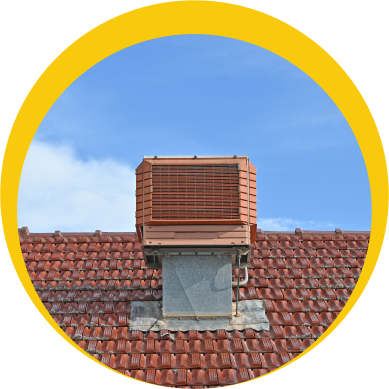
The vital significance of this process stems from the fundamental operation of evaporative coolers, which pass large volumes of water to cool air through evaporation, making them highly exposed to scale formation and biological growth in regions with hard water like Southern California. Failure to perform swamp cooler winterization allows corrosion to progress unchecked, pads to deteriorate prematurely, and efficiency to decline sharply upon reactivation. Consistent preparation preserves maximum cooling capacity, safeguards indoor air quality by preventing mold-related contaminants, and supports dependable performance over many years. Leading HVAC resources frequently stress that consistent maintenance dramatically reduces premature system failure rates and associated costs.
Mastering this concept enables informed choices—professional execution guarantees the highest level of protection. Explore our swamp cooler services for specialized support and additional resources.
Step-by-Step Guide to Winterize a Swamp Cooler
Following the correct swamp cooler winterization steps assures thorough protection while limiting strain when done thoughtfully. The process commences with essential protective steps: locate and switch off the dedicated breaker for the unit, then unplug the power cord if accessible to completely eliminate electrical hazards during handling and roof work. This safeguard protects both the technician and the equipment from accidental activation.
Proceed to the water supply stage by identifying the shut-off valve—typically installed near the base or along the roof feed line—and turning it fully closed. Disconnect the supply hose and allow any trapped water to escape completely. In areas with hard water, execute several cleanings to remove accumulated minerals from lines and the reservoir. Open access panels, remove the drain plug using an appropriate wrench, and carefully extract all remaining liquid using absorbent towels or a wet-dry vacuum to stop any moisture from lingering.
Then, remove cooling pads for inspection and cleaning; replace any that show signs of heavy scaling, tears, or mold presence to restore full evaporation capacity. Examine the pump, motor, and drive belt for deterioration or evidence of problems, lubricating moving parts as recommended by the manufacturer. Allow the interior to dry completely by running the fan briefly without water circulation, ensuring no dampness remains that could promote microbial growth.
Finally, store removable components in a dry indoor location and install a high-quality, UV-resistant weatherproof cover, securing it firmly around all edges to resist wind, rain, and debris. Seal any indoor duct openings to prevent heat loss during winter months. These comprehensive actions protect your investment reliably—our certified technicians execute them with precision and care for homeowners throughout the area. Learn more about full swamp cooler services for expert assistance and expert execution.
Common Mistakes to Avoid During Swamp Cooler Winterization
While DIY swamp cooler winterization appears straightforward, several frequent oversights can undermine results and create avoidable issues. One major error involves allowing residual amounts of water in distribution lines or the reservoir, which promotes rust development and potential breaks, particularly when combined with temperature fluctuations. Utilizing thin or poorly fitted covers allows leaves, dust, and moisture intrusion, which fosters mold growth and blocks ventilation paths when reactivated.
Failure to clean or replace pads thoroughly permits bacteria and spores to persist, leading to odors and future comfort concerns in spring. Ignoring safety precautions during roof access increases injury risk, while bypassing component inspections fails to detect early signs of belt slippage or pump wear. These common oversights commonly cause in higher repair costs and reduced system life—professional oversight guarantees nothing is overlooked for complete, dependable protection.
DIY vs Professional Swamp Cooler Winterization – Which Is Right for You?
Assessing DIY vs professional swamp cooler winterization reveals distinct differences in time investment, safety considerations, and long-term outcomes. DIY methods eliminate upfront labor costs but demand gathering specialized tools, climbing ladders for roof access, and spending 2–4 hours of physical effort, with a high likelihood of incomplete drainage or overlooked hard-water residue that causes future complications. Professional service removes these risks entirely, incorporates detailed inspections, applies manufacturer-approved techniques, and includes coverage under warranties, beginning at $199 and delivering significant cost reductions through prevented damage.
Expert execution provides superior thoroughness and peace of mind. Many homeowners eventually choose professionals for the convenience and guaranteed quality that justify the modest investment. To understand our methods, visit our about page.
Hard Water Challenges and Prevention in Southern California
Hard water damage stands as one of the most persistent threats during swamp cooler winterization throughout Southern California. Area water characteristics contain high concentrations of calcium and magnesium that precipitate out during evaporation, creating mineral deposits on cooling pads, inside distribution tubes, and on pump components that steadily reduce water movement and promote corrosion of metal surfaces. In communities such as Pasadena, Glendale, and Orange County, this buildup can decrease performance by 20–30% within a single season if not addressed.
Successful mitigation demands intensive cleaning during the drainage phase, use of appropriate cleaning agents to dissolve existing scale, and consideration of water softening options for ongoing maintenance. Regular professional inspections spot emerging issues early, while targeted treatments increase component lifespan considerably. Area professionals provide proven solutions that counteract these regional challenges and maintain peak system performance. Explore more options on our swamp cooler services page.
Specialized Swamp Cooler Winterization Services for Unique Conditions
Specialized swamp cooler winterization tailors the standard process to accommodate Southern California’s specific environmental factors, such as varying degrees of water hardness and relatively mild winter conditions that still permit mineral accumulation and occasional moisture intrusion. Residential installations receive customized flushing protocols, selective pad treatments, and cover applications designed to match unit size, roof access, and local dust levels.
Coastal humidity variations each require adjusted approaches to ensure complete protection against corrosion, biological growth, and debris-related blockages. This individualized methodology effectively resolves location-specific concerns—professional providers consistently deliver high-quality, repeatable outcomes that maximize equipment longevity. For more on our specialized offerings, see our swamp cooler services.
Frequently Asked Questions About Swamp Cooler Winterization
Is swamp cooler winterization necessary in Los Angeles?
Yes, swamp cooler winterization is necessary in Los Angeles to prevent hard water scale, rust, and mold from standing moisture. Mineral deposits reduce pad efficiency and lead to costly spring repairs. Complete drainage, cleaning, and covering maintain performance. See our swamp cooler services for expert help.
How much does professional swamp cooler winterization cost?
Professional swamp cooler winterization starts at $199, depending on unit size and add-ons. This includes full service, inspection, and protection, far less than potential repair expenses. Transparent pricing simplifies planning. Learn more on our contact page.
When should I winterize my swamp cooler?
Winterize during October–November in Southern California to align with cooler weather. Early action prevents damage from unexpected cold. Check local conditions regularly. Explore seasonal tips on HVAC maintenance.
What happens if you don't winterize a swamp cooler?
Neglecting winterization causes rust, mold, line cracks, and pump failure. Spring repairs become expensive. Proper evaporative cooler winterization prevents these issues. Visit our main site for prevention advice.
Can I DIY swamp cooler winterization?
DIY is possible but risky due to safety hazards and potential missed steps. Professionals ensure complete protection. Consider HVAC installation expertise for guidance.
How to prevent rust in swamp cooler during winter?
Drain completely, flush minerals, dry thoroughly, and use a secure cover. Professional cleaning enhances protection. See commercial services for advanced techniques.
Is swamp cooler winterization necessary in Orange County?
Yes, hard water accelerates damage; winterization preserves efficiency. Explore residential services for tailored solutions.
What tools are needed for swamp cooler winterization?
Tools include wrenches, towels, ladder, and cover. Professionals provide everything. Check about us for team capabilities.
How long does swamp cooler winterization take?
DIY takes 2–4 hours; professionals finish in 1–2 hours with inspection. Learn about garage ventilation for related services.
Why choose professional swamp cooler winterization near me?
Professionals spot issues early, offer warranties, and save time. Local service ensures quick response. Contact us via contact page.
We Can Help! Contact Us Today
For homeowners throughout Los Angeles County—including Glendale, Pasadena, Long Beach, Santa Clarita, Torrance, Burbank, Downey, Whittier, Alhambra, and numerous surrounding communities—reliable swamp cooler winterization near you provides enduring peace of mind and system reliability. Instant Air Solutions, located at 412 W Dryden St APT 6, Glendale, CA 91202, (747) 307-6363, delivers licensed expertise and a satisfaction guarantee on every project.
A Pasadena resident reported that our comprehensive process completely eliminated spring concerns. An Orange County client highlighted substantial savings from avoided repairs. Another homeowner in San Fernando Valley appreciated the thorough attention to hard water issues. Emotions like peace of mind and avoidance of regret frequently motivate action, while logical factors—preventing expensive damage, extending equipment life, and preserving energy efficiency—provide solid justification for the decision. We confidently deliver consistent, high-value results that safeguard your comfort investment—reach out today to protect your unit effectively.
Instant Air Solutions
Address: 412 W Dryden St Apt 6 Glendale, CA 91202Phone: (747) 307-6363
Email: [email protected]
Instant Air Solutions
Evaporative Cooling Repair Valley Village, CA
Evaporative Cooler Installation Valley Village, CA
Evaporative Cooler Repair Valley Village, CA
Swamp Cooler Repair Service Valley Village, CA
Evaporative Cooler Motor Repair Valley Village, CA
Repair Swamp Cooler Pan Valley Village, CA
Repair Swamp Cooler Valley Village, CA
Commercial Swamp Cooler Repair Valley Village, CA
Swamp Cooler Pan Repair Valley Village, CA
Swamp Cooler Repair Company Valley Village, CA
Swamp Cooler Water Line Repair Valley Village, CA
Swamp Cooler Line Repair Valley Village, CA
Swamp Cooler Leak Repair Valley Village, CA
Repair Swamp Cooler Belt Valley Village, CA
Swamp Cooler Pump Repair Valley Village, CA
Swamp Cooler Water Line Repair Valley Village, CA
Evaporative Cooler Repair Near Me Valley Village, CA
Swamp Cooler Line Repair Valley Village, CA
Emergency Swamp Cooler Repair Valley Village, CA
Swamp Cooler Repair Service Valley Village, CA
Evaporative Cooler Pump Repair Valley Village, CA
Swamp Cooler Repair Valley Village, CA
Evaporative Cooler Installation Valley Village, CA
Swamp Cooler Repair Near Me Valley Village, CA
Swamp Cooler Pan Repair Valley Village, CA
Evaporative Cooling Repair Valley Village, CA
Evaporative Cooler Installation Valley Village, CA
Swamp Cooler Water Line Repair Valley Village, CA
Swamp Cooler Pump Repair Valley Village, CA
Swamp Cooler Repair Valley Village, CA
Emergency Swamp Cooler Repair Valley Village, CA
Swamp Cooler Repair Near Me Valley Village, CA
Evaporative Cooler Replacement Valley Village, CA
Finding A Good Local Top Seo Company Valley Village, CA
Finding A Local Seo Near Me Valley Village, CA
Instant Air Solutions
Swamp Cooler Repair Company Valley Village, CA
Swamp Cooler Motor Repair Valley Village, CA

Table of Contents
- – Instant Air Solutions
- – Why Is Swamp Cooler Winterization Necessary in...
- – When Should You Winterize Your Swamp Cooler?
- – What Is Swamp Cooler Winterization and Why It'...
- – Step-by-Step Guide to Winterize a Swamp Cooler
- – Common Mistakes to Avoid During Swamp Cooler W...
- – DIY vs Professional Swamp Cooler Winterization...
- – Hard Water Challenges and Prevention in Southe...
- – Specialized Swamp Cooler Winterization Service...
- – Frequently Asked Questions About Swamp Cooler ...
- – We Can Help! Contact Us Today
- – Instant Air Solutions
Latest Posts
Seo Local Covina
Orange Best Local Seo Services
Local Seo Services Anaheim
More
Latest Posts
Seo Local Covina
Orange Best Local Seo Services
Local Seo Services Anaheim