All Categories
Featured
Table of Contents
- – Innovative Senior Care
- – What Is In-Home Hearing Care and How Does It H...
- – Understanding Age-Related Hearing Loss (Presb...
- – Common Signs in Daily Routines
- – Why Communication Breaks Down at Home
- – Non-Medical vs Device-Focused Approaches
- – Benefits of Caregiver-Led Support
- – Who Benefits Most from At-Home Assistance
- – How Does Hearing Loss Impact Daily Communicati...
- – Emotional Effects Like Isolation and Frustration
- – Links to Social Withdrawal
- – Impact on Family Dynamics
- – Practical Challenges in the Home Environment
- – Missing Alarms, Phones, or Conversations
- – Long-Term Risks if Untreated
- – What Are Effective Communication Strategies fo...
- – Face-to-Face Techniques and Visual Cues
- – Positioning and Lighting Tips
- – Clear Speech Without Shouting
- – Reducing Background Noise for Better Clarity
- – Home Environment Adjustments
- – Using Gestures and Written Aids
- – Technology-Free Tools That Work
- – Daily Practice Routines for Consistency
- – How Can In-Home Hearing Care Improve Home Safe...
- – Addressing Missed Auditory Cues
- – Door Bells, Smoke Alarms, and Emergency Calls
- – Fall Prevention Through Awareness
- – Integrating Wellness Checks and Mobility Support
- – Daily Safety Monitoring
- – Home Modification Ideas Without Major Changes
- – What Role Do Caregivers Play in Supporting Hea...
- – Personalized Daily Living Assistance
- – Companionship During Conversations
- – Medication and Routine Reminders
- – Emotional and Social Engagement Support
- – Preventing Loneliness Through Activities
- – Family Caregiver Relief and Training
- – Coordinating with Other Senior Needs
- – In-Home Hearing Care vs Traditional Clinic App...
- – Convenience and Accessibility Factors
- – No Travel Required
- – Personalized Home Environment
- – Focus on Communication Over Devices
- – Non-Medical Strategies
- – Cost and Time Savings
- – Flexible Scheduling
- – Long-Term Outcomes and Satisfaction
- – Real Stories: How Families in Coachella Valley...
- – Testimonials from Local Families
- – Measurable Improvements in Daily Life
- – Common Concerns About In-Home Hearing Care and...
- – Is It Expensive or Time-Consuming?
- – Will It Feel Intrusive?
- – What If We Already Tried Other Options?
- – How Do We Know It Will Work for Our Loved One?
- – Areas We Serve Throughout Coachella Valley Cal...
- – Cities Covered Near the I-10 Freeway
- – Local In-Home Hearing Care Experts Near You
- – Frequently Asked Questions About In-Home Heari...
- – What is in-home hearing care for seniors?
- – How does hearing loss affect communication at...
- – Is in-home hearing care different from hearin...
- – What services help with hearing loss at home?
- – How soon can I see improvements?
- – Do you serve Coachella Valley areas?
- – How to help a senior with hearing loss at home?
- – What causes hearing loss in elderly at home?
- – Best ways to communicate with hearing impaire...
- – Prevent social isolation from hearing loss at...
- – We Can Help! Contact Us Today
- – Innovative Senior Care
Innovative Senior Care
77564 Country Club Dr Ste 228/230 Palm Desert, CA 92211(760) 469-4999
Innovative Senior Care
Home-based hearing support provides gentle, non-medical support right where seniors prefer to remain—their own home—assisting them address hearing loss obstacles and restore valuable communication with family and friends. Unlike technology-based audiology services, this approach centers on caregiver-supported strategies that strengthen routine exchanges, minimize withdrawal, and support secure, independent living without requiring clinic visits or expensive equipment. Relatives looking for communication help for hearing impaired seniors, hearing loss assistance at home, or hearing loss assistance at home discover that straightforward, consistent strategies—such as direct face-to-face interaction, minimizing ambient sounds, and visual cue reinforcement—can dramatically boost overall life satisfaction. This thorough guide examines proven methods, protective measures, caregiver roles, frequent questions, and actual family experiences, offering you clear insights for those pursuing hearing loss assistance at home or communication help for hearing impaired seniors.
Hearing challenges frequently appear gradually, leading to it challenging to notice until talks feel frustrating. A loved one may nod along during dinner but subsequently confess they didn’t hear half of what was said. That subtle moment brings a wave of anxiety—will they withdraw further? Might minor miscommunications escalate into lasting disconnection? A great number of adult children and spouses feel this subdued heartache and start searching for solutions to help avoiding pushing unwelcome medical procedures. In-home hearing care provides a compassionate , successful path forward: tailored support that meets seniors exactly where they are, centering on conversational comfort, mental well-being, and routine self-assurance.
What Is In-Home Hearing Care and How Does It Help Seniors Stay Connected?
In-home hearing care delivers non-medical support straight in the home to aid seniors with hearing loss. Companions emphasize communication strategies, companionship, and simple home setting modifications rather than technology sales or adjustments. This model helps seniors take part fully in discussions, minimizing the exhaustion that commonly goes along with hearing difficulties. It promotes dignity and autonomy while tackling the psychological impact of feeling excluded.
Understanding Age-Related Hearing Loss (Presbycusis)
Presbycusis is the primary form of hearing loss in older adults, triggered by progressive deterioration on the inner ear and auditory nerve. High-pitched sounds turn difficult to differentiate first, making letter-intensive speech (such as “s,” “th,” or “f”) particularly hard to grasp. As time passes, this leads to repeated requests for repetition, misunderstood directions, and growing hesitation to engage in social gatherings. The health authority reports that nearly one in three people aged 65–74 and close to half of those 75 and older face significant hearing loss. Prompt, consistent support prevents these developments from spiraling into greater social and emotional effects.
Common Signs in Daily Routines
Watch for behaviors such as raising the television volume unusually high, having difficulty to understand phone conversations, or frequently requesting “what?” during regular-volume talks. These behaviors frequently manifest first in familiar home spaces where surrounding sounds from devices or household activity clashes with speech. Identifying these early indicators allows families to introduce effective approaches ahead of withdrawal becomes routine.
Why Communication Breaks Down at Home
Residential spaces create distinct obstacles: reverberating hallways, conflicting sounds from kitchens or televisions, and uneven light conditions that obscures lip-reading cues. Seniors may not realize how much they subconsciously depend on body language to support hearing. When these supports are missing or unsteady, even basic exchanges feel exhausting, leading to reduced conversations and decreased participation.
Non-Medical vs Device-Focused Approaches
Standard audiology services center on diagnostic testing and hearing aid customizations, which are extremely valuable for many but involve routine office visits and adjustment periods. In-home hearing care takes a different path, concentrating entirely on behavioral adaptations, support provider education, and residence-tailored changes. This non-medical model bypasses equipment sales and instead develops enduring routines that boost natural communication and mental health.
Benefits of Caregiver-Led Support
Support-provider-guided care delivers instant mental relief—seniors experience heard rather than “repaired”. Families report observable advancements in disposition and engagement quickly, as loved ones recover self-assurance in group interactions. The method is adaptable, cost-effective, and fully embedded into daily routines.
Who Benefits Most from At-Home Assistance
Seniors who prefer to age in place, individuals with reduced physical ability, individuals with mild-to-moderate hearing loss, and families seeking non-medical approaches gain the greatest benefits. This assistance framework is especially valuable for individuals who consider clinic visits burdensome or operationally problematic, providing customized help that values self-reliance while tackling communication obstacles efficiently.
Numerous families find that in-home hearing care revolutionizes routine experiences—mealtimes, calls, narrative sharing—into chances for bonding again. The priority remains on self-respect, consideration, and organic exchange.
Contact us for a complimentary consultation to explore how these methods can work in your home. Discover our full range of home assistance programs in Palm Desert.
How Does Hearing Loss Impact Daily Communication and Family Life?
Hearing loss goes far past the sense of hearing—it silently changes relationships, household dynamics, and everyday self-assurance. When words turns muffled or challenging, conversations decrease, miscommunications increase, and involvement fades. These changes influence more than the individual but all members sharing space in the home, generating a loop of frustration and withdrawal that can worsen over time.

Emotional Effects Like Isolation and Frustration
Frequent confusions breed irritation. Gradually, many seniors tend to dodge group gatherings completely to evade the unease of missing meaning. This pullback often contributes in significant solitude, as long-enjoyed roles—elder advisor—decrease. Emotional health suffers when bonding feels out of reach.
Links to Social Withdrawal
Unmanaged hearing loss substantially increases the chance of social isolation. Older adults may refuse invitations, avoid community events, or reduce phone communication, progressively shrinking their social circle. The mental strain accumulates as chances for delight, amusement, and connection become less frequent.
Impact on Family Dynamics
Adult children often realize themselves repeating explanations with patience but experience unable to help. Spouses lose mutual laughter. Brothers and sisters debate over who should manage the issue. These dynamics stress relationships that once appeared natural.
Practical Challenges in the Home Environment
Everyday home auditory cues—kitchen appliances, doorbells, media, family activity—interfere with speech. Rooms with hard surfaces create resonance that further distort incoming sound.
Missing Alarms, Phones, or Conversations
Essential audio alerts are overlooked: fire detectors, doorbells, phone rings. These oversights cause safety risks and increase daily stress for family members and seniors alike.
Long-Term Risks if Untreated
Persistent hearing difficulties are associated with higher balance problems, brain health issues, and depression. Prompt support interrupts this development, protecting both physical safety and brain clarity.
Understanding these far-reaching impacts encourages families to act. Hearing loss assistance at home offers actionable, compassionate methods to restore balance and connection.
If these patterns seem common, connect to learn about supportive choices. Explore more about our approach to care.
What Are Effective Communication Strategies for Hearing Loss at Home?
Proven ways to communicate better with hearing loss at home center on creating environments where speech is processed effectively and naturally. Support providers guide these techniques step-by-step, assisting seniors and families develop routines that reduce effort and boost reciprocal clarity.
Face-to-Face Techniques and Visual Cues
Direct visual connection and open sight of the talker’s expression support comprehension. Hand movements reinforce verbal messages. These fundamentals create the foundation of effective exchange, causing interactions more natural.
Positioning and Lighting Tips
Set up chairs so facial features are well-lit without dark areas or glare. Ambient window light or movable lamps help lip-reading. Avoid light from behind that outlines speakers, ensuring good view supports comprehension.
Clear Speech Without Shouting
Communicate at a normal volume but with deliberate pronunciation. Reduce your speed a bit and break between sentences. Yelling distorts speech and can seem disrespectful—clearness at regular volume performs far more effectively.
Reducing Background Noise for Better Clarity
Turn off competing sounds during important discussions. Close openings to stop outside-room audio. Selecting less noisy rooms for dining or gatherings greatly improves conversation clarity.
Home Environment Adjustments
Position carpets or fabric items in resonant spaces to dampen reverberation. Modify layout so conversation zones are away from active zones. Simple audio tweaks yield outsized gains.
Using Gestures and Written Aids
Simple movements clarify essential points. Keep a notepad or big-letter list handy for numbers. These simple tools offer consistent alternatives when verbal clarity struggles.
Technology-Free Tools That Work
Large-print lists or image aids convey messages. They provide rapid, successful assistance without introducing complex gadgets that may intimidate.
Daily Practice Routines for Consistency
Dedicate 10–15 minutes daily for concentrated conversation practice. Recap the day’s happenings, relate a story, or read together as a group. Consistent practice enhances both competence and confidence.
Teams with deep experience in senior care use these methods with consideration and accuracy. Households experience emotional relief through revived dialogue and real-world effectiveness from in-home application. See our full range of support.
Prepared to bring these techniques into your regular schedule? Contact us for a complimentary consultation.
How Can In-Home Hearing Care Improve Home Safety for Seniors?
In-home hearing care reaches well outside conversation—it immediately improves individual security by tackling auditory gaps that add to daily risks and missed emergencies. Assistants combine alertness education with regular checks to build a better protected residence.
Addressing Missed Auditory Cues
Seniors commonly miss common audio signals that indicate potential danger—visitor signals, timers, safety devices, or a relative shouting from another room. Assistants introduce visual or tactile alternatives that offset effectively.
Door Bells, Smoke Alarms, and Emergency Calls
Set up flashing light alerts for doorbells and alerts, or employ vibrating pagers for phone calls. Caregivers show proper responses, developing automatic response for rapid, confident action.
Fall Prevention Through Awareness
Hearing loss frequently appears together with equilibrium issues. Support providers reinforce environmental scanning—looking before moving—and integrate hearing constraints with eyesight-based precautions to minimize balance-related danger.
Integrating Wellness Checks and Mobility Support
Regular visits enable caregivers to identify emerging hazards—obstructed paths, inadequate light, unsecured carpets—and fix them proactively. Movement support ensures secure and assured walking throughout the home.
Daily Safety Monitoring
Caregivers monitor patterns and identify shifts—such as reduced quickness or pausing in particular spaces—then adjust support plans as needed to ensure security.
Home Modification Ideas Without Major Changes
Simple modifications like better light, color-coded edges on steps, or identified buttons offer visual cues. These affordable modifications substantially enhance movement and decrease accident likelihood.
Proactive security steps deliver lasting peace of mind. In-home hearing care establishes protected, assured living through careful, coordinated support. Learn more about our residential health support in Palm Desert.
Let’s discuss how to make your home safer—reach out today.
What Role Do Caregivers Play in Supporting Hearing-Impaired Seniors?
Caregivers serve as reliable allies and trained supporters, enabling seniors with hearing loss handle daily life with dignity and ease. They blend emotional support with hands-on strategies to make sure communication continues natural and meaningful.
Personalized Daily Living Assistance
Tailored help aligns with listening challenges during everyday tasks, providing comfort and continuity free from disturbing independence. - Home Care Agencies Cathedral City
Companionship During Conversations
Attentive presence promotes seniors to express ideas freely, rebuilding assurance in speaking and social exchange.
Medication and Routine Reminders
Gentle , consistent cues keep routines consistent, incorporating visual or written cues when verbal reminders are not as strong.
Emotional and Social Engagement Support
Caregivers plan engagements that ignite happiness—storytelling, musical activities, light games—while integrating talk-optimized settings.
Preventing Loneliness Through Activities
Frequent outings, hobby sessions, or video chats maintain relationships and combat isolation successfully.
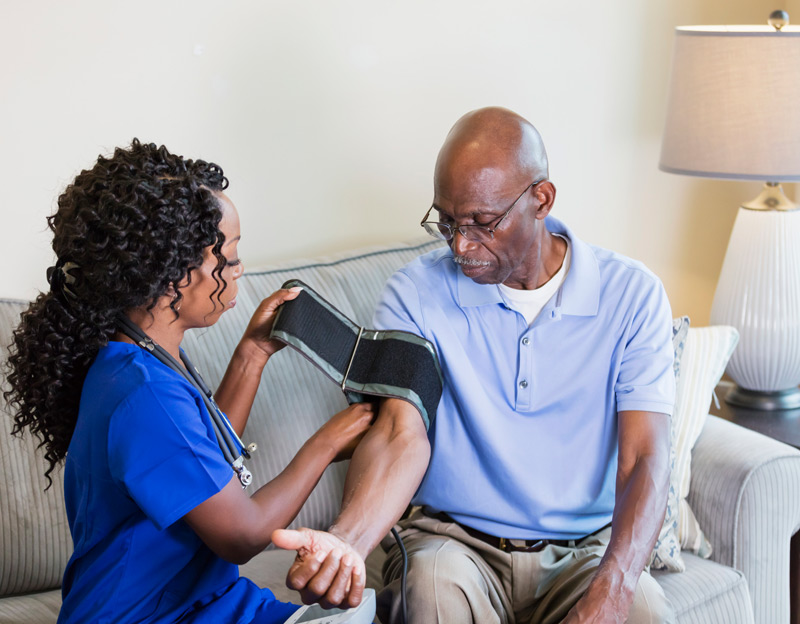
Family Caregiver Relief and Training
Workshops teach family members clear-speaking techniques, ambient control suggestions, and patience strategies to ease household conversations.
Coordinating with Other Senior Needs
Seamless combination with broader care—movement, drug management, nutrition, health—boosts complete care.
Such comprehensive model restores mental closeness and offers real-world framework to daily life. Learn more on our in-home care programs.
Discover how companion help can improve your daily life—contact us today.
In-Home Hearing Care vs Traditional Clinic Approaches: Key Differences
Families exploring paths for hearing loss support commonly evaluate office-based hearing care with home-centered care. The distinctions are substantial and impact both convenience and results.
Convenience and Accessibility Factors
In-home hearing care avoids the requirement for travel, appointment hassles, and clinic delays. (Home Care Agencies Cathedral City)
No Travel Required
Seniors continue in familiar surroundings, decreasing anxiety and physical demands.
Personalized Home Environment
Techniques are customized to the actual layout, lighting, and sound properties of the home.
Focus on Communication Over Devices
Home care emphasizes lifestyle adjustments and support direction over amplification technology.
Non-Medical Strategies
No fittings—focus remains on sustainable routines.
Cost and Time Savings
Adaptable scheduling and lack of device expenses commonly make home care budget-friendly in the long run.
Flexible Scheduling
Appointments align with daily patterns rather than fixed office availability.
Long-Term Outcomes and Satisfaction
Home-based support encourages increased participation, mental closeness, and ongoing independence.
| Aspect | Traditional Clinic Approach | In-Home Hearing Care Approach |
|---|---|---|
| Location | Requires travel to office | Delivered 100% at home |
| Primary Focus | Hearing aids and fittings | Communication strategies and daily support |
| Device Involvement | Central | None |
| Mobility Requirement | High | Minimal to none |
| Family Involvement | Limited | Active training and workshops |
| Timeline for Noticeable Improvement | Weeks to months | Days to weeks |
These distinctions explain why many Coachella Valley families select residence-centered care. Learn about our elderly home care services.
Real Stories: How Families in Coachella Valley Have Benefited
Regional families witness real improvements through steady, caring support.
Testimonials from Local Families
“My father in Indian Wells started grinning during family dinners again. The caregiver’s patience and proven methods made all the difference.” — Maria R., Indian Wells.
“Mom in La Quinta was pulling away from conversations. After a short time of initiating assistance, she was smiling and sharing memories once more. Remarkable.” — David L., La Quinta.
“Our Rancho Mirage grandmother felt safe and included. The staff’s caring method restored her confidence and our peace of mind.” — Susan T., Rancho Mirage.
Measurable Improvements in Daily Life
Families report fewer confusions, greater involvement in social activities, reduced anxiety, and stronger relationships. These results reflect the power of personalized, residence-based assistance.
These real benefits illustrate what’s possible with dedicated support. See more stories on our success stories area.
Common Concerns About In-Home Hearing Care and How They Are Addressed
Families commonly have doubts when thinking about in-home support. Here are the top issues and direct responses.
Is It Expensive or Time-Consuming?
Hourly rates generally fall from $30–$45 for non-medical care in the region. Adaptable arrangements—limited hours, daily, or break—works with most budgets and lifestyles excluding binding contracts. See cost breakdown details.
Will It Feel Intrusive?
Caregivers are prepared to respect boundaries and home privacy, concentrating on friendly presence rather than supervision. Relatives set limits from the start. Discover how we prioritize dignity.
What If We Already Tried Other Options?
This approach enhances previous efforts—whether devices, rehabilitation, or alternative support—without duplication. It covers interaction and psychological needs that equipment alone can’t address. Discover complementary support.
How Do We Know It Will Work for Our Loved One?
All plan is personalized following an first evaluation. A satisfaction guarantee ensures adjustments until the fit is perfect. Learn how we personalize care.
Tackling these worries transparently creates confidence in the approach. Contact us to discuss your specific circumstances.
Areas We Serve Throughout Coachella Valley California
Area-specific availability guarantees prompt, personalized support across the region.
Cities Covered Near the I-10 Freeway
We proudly serve Indian Wells, Rancho Mirage, Thousand Palms, Indio, Palm Desert, La Quinta, Cathedral City, Coachella, Palm Springs, North Palm Springs, Desert Hot Springs, and surrounding neighborhoods.
Local In-Home Hearing Care Experts Near You
Innovative Senior Care, 77564 Country Club Dr Ste 228/230, Palm Desert, CA 92211, (760) 469-4999.
Proximity and area expertise enable us to react promptly and comprehend regional needs. See our service locations.
Frequently Asked Questions About In-Home Hearing Care
What is in-home hearing care for seniors?
In-home hearing care offers non-medical support to enable seniors manage hearing loss through improved communication and daily routines. Caregivers teach face-to-face techniques, ambient control, and body language support. It encourages self-reliance and connection at home. Families enjoy fewer misunderstandings and deeper connections. This approach suits those avoiding equipment or clinic visits. Explore our senior care services. (112 words)
How does hearing loss affect communication at home?
Hearing loss blurs speech, particularly high pitches. Competing noise drowns out. Seniors strain to understand, commonly leading to reduced talks. Families re-explain themselves, creating tension. Psychological pullback follows. Communication help at home restores ease through focused modifications. Learn companionship strategies. (98 words)
Is in-home hearing care different from hearing aids?
Yes—in-home hearing care focuses on support-based strategies and social presence, not sound boosting. Hearing aids provide amplification via expert adjustments. This non-clinical approach steers clear of equipment sales. Numerous families combine both for complete support. Learn about non-medical services. (98 words)
What services help with hearing loss at home?
Support cover talk guidance, environmental tweaks, wellness monitoring, and engagement scheduling. Caregivers integrate sound perception knowledge into daily activities. Family workshops develop collective skills. Walking and security aspects combine seamlessly. Outcomes feature higher assurance and engagement. Learn about daily assistance. (112 words)
How soon can I see improvements?
Many families see clearer exchanges and reduced annoyance quickly. Regular implementation boosts advancement. Personalized plans enhance outcomes. Ongoing assistance sustains improvements. Involvement and disposition improve noticeably. Start quickly with us. (98 words)
Do you serve Coachella Valley areas?
Yes—service area covers Indian Wells, Rancho Mirage, Thousand Palms, Indio, Palm Desert, La Quinta, Cathedral City, Coachella, Palm Springs, North Palm Springs, Desert Hot Springs near the I-10 Freeway. Area delivery ensures ease and quick reply. See our service map. (78 words)
How to help a senior with hearing loss at home?
Place yourself directly in front in bright conditions. Communicate distinctly without raising voice. Eliminate distractions. Incorporate gestures. Repeat daily. Caregiver input perfects methods. Household support boosts benefits and fosters peace. Explore elderly home care. (98 words)
What causes hearing loss in elderly at home?
Age-related hearing loss stems from cochlear deterioration over time. Repeated sound exposure and medical issues play a role. Home acoustics frequently worsen the problem. Prompt assistance avoids worsening. See home modification tips. (88 words)
Best ways to communicate with hearing impaired senior?
Keep eye contact, enunciate normally, minimize background sounds. Concise speech help. Gestures reinforce. Patience encourages openness. Written aids add to when useful. These build confidence and clear interaction. Discover companionship methods. (92 words)
Prevent social isolation from hearing loss at home?
Promote frequent activities with face-to-face settings. Plan peaceful talks. Assistants enable engagement. Emotional encouragement fights disengagement. Steady engagement protects connections and energy. Guide to home care setup. (88 words)
We Can Help! Contact Us Today
The worry of diminishing bonds with a loved one is powerful. Seeing a parent or spouse disengage from conversations generates profound concern. Affection for family motivates the effort for solutions that revive connection and belonging. Relief arrives when conversation becomes easy again. Optimism returns as independence and delight return. Trust develops from dependable, understanding assistance that really appreciates.
Reasonably, in-home hearing care provides exceptional convenience—stay-at-home, no devices, adaptable timing. It delivers full , non-medical support customized to actual routines. Outcomes are steady and quantifiable: better understanding, reduced hazards, renewed closeness.
Innovative Senior Care delivers this experience to Coachella Valley families. With over 15 years of dedicated service, our trained caregivers offer results backed by a results promise. Located at 77564 Country Club Dr Ste 228/230, Palm Desert, CA 92211, we serve the entire region. Call (760) 469-4999 to get started.
If you’re seeking trusted in-home hearing care and hearing loss assistance at home. Home Care Agencies Cathedral City, Innovative Senior Care is available to help. Our staff focuses in interaction help, protection, and companionship that revives bonding. Whether you’re an adult child organizing care, a spouse assisting daily life, or a family looking for tranquility, we’ve helped numerous seniors with understanding and expertise. Complimentary consultation available. With proven experience and a comfort assurance, we make sure your loved one remains engaged, protected, and respected. Let us support strengthen your family’s moments with assurance!
Call (760) 469-4999 today for your complimentary consultation. Reclaim joyful, effortless conversations—your loved ones deserve every moment.
Innovative Senior Care
Address: 77564 Country Club Dr Ste 228/230 Palm Desert, CA 92211Phone: (760) 469-4999
Email: [email protected]
Innovative Senior Care
Live-In Caregiver Cathedral City, CA
Senior Caregiver Cathedral City, CA
Home Health Care Service Cathedral City, CA
Elder Care Cathedral City, CA
Care For Elderly Cathedral City, CA
Care Providers Cathedral City, CA
Care Providers Cathedral City, CA
Home Health Aides Cathedral City, CA
Home Care Agencies Cathedral City, CA
Senior Caregiver Cathedral City, CA
Home Health Care Service Cathedral City, CA
Home Care For Elderly Cathedral City, CA
Home Health Aides Near Me Cathedral City, CA
Home Health Care Cathedral City, CA
Home Care Agencies Cathedral City, CA
Aged Care Services Cathedral City, CA
Home Health Agency Cathedral City, CA
Live-In Caregiver Cathedral City, CA
Home Care For Elderly Cathedral City, CA
Live In Care Cathedral City, CA
Home Health Care Cathedral City, CA
Home Healthcare Cathedral City, CA
Home Health Care Cathedral City, CA
Home Health Agency Cathedral City, CA
In Home Care Cathedral City, CA
Family Caregiver Cathedral City, CA
In Home Care Cathedral City, CA
Care Companies Cathedral City, CA
Senior Caregiver Cathedral City, CA
Home Healthcare Cathedral City, CA
Aged Care Services Cathedral City, CA
Home Health Aides Cathedral City, CA
Home Care Agencies Cathedral City, CA
Aged Care Services Cathedral City, CA
Home Health Aides Cathedral City, CA
Aged Care Services Cathedral City, CA
Services For The Elderly Cathedral City, CA
Home Care Agencies Cathedral City, CA
Home Health Care Cathedral City, CA
Live In Care Cathedral City, CA
Homecare Services Cathedral City, CA
Caregiver Agency Cathedral City, CA
Live-In Caregiver Cathedral City, CA
Services For The Elderly Cathedral City, CA
Senior Caregiver Cathedral City, CA
Caregiver Services Cathedral City, CA
Family Caregiver Cathedral City, CA
Care For Elderly Cathedral City, CA
Find A Good Local Seo Pricing Cathedral City, CA
Near You Seo Services Cathedral City, CA
Innovative Senior Care
Caregiver Services Cathedral City, CA
Care Providers Cathedral City, CA

Table of Contents
- – Innovative Senior Care
- – What Is In-Home Hearing Care and How Does It H...
- – Understanding Age-Related Hearing Loss (Presb...
- – Common Signs in Daily Routines
- – Why Communication Breaks Down at Home
- – Non-Medical vs Device-Focused Approaches
- – Benefits of Caregiver-Led Support
- – Who Benefits Most from At-Home Assistance
- – How Does Hearing Loss Impact Daily Communicati...
- – Emotional Effects Like Isolation and Frustration
- – Links to Social Withdrawal
- – Impact on Family Dynamics
- – Practical Challenges in the Home Environment
- – Missing Alarms, Phones, or Conversations
- – Long-Term Risks if Untreated
- – What Are Effective Communication Strategies fo...
- – Face-to-Face Techniques and Visual Cues
- – Positioning and Lighting Tips
- – Clear Speech Without Shouting
- – Reducing Background Noise for Better Clarity
- – Home Environment Adjustments
- – Using Gestures and Written Aids
- – Technology-Free Tools That Work
- – Daily Practice Routines for Consistency
- – How Can In-Home Hearing Care Improve Home Safe...
- – Addressing Missed Auditory Cues
- – Door Bells, Smoke Alarms, and Emergency Calls
- – Fall Prevention Through Awareness
- – Integrating Wellness Checks and Mobility Support
- – Daily Safety Monitoring
- – Home Modification Ideas Without Major Changes
- – What Role Do Caregivers Play in Supporting Hea...
- – Personalized Daily Living Assistance
- – Companionship During Conversations
- – Medication and Routine Reminders
- – Emotional and Social Engagement Support
- – Preventing Loneliness Through Activities
- – Family Caregiver Relief and Training
- – Coordinating with Other Senior Needs
- – In-Home Hearing Care vs Traditional Clinic App...
- – Convenience and Accessibility Factors
- – No Travel Required
- – Personalized Home Environment
- – Focus on Communication Over Devices
- – Non-Medical Strategies
- – Cost and Time Savings
- – Flexible Scheduling
- – Long-Term Outcomes and Satisfaction
- – Real Stories: How Families in Coachella Valley...
- – Testimonials from Local Families
- – Measurable Improvements in Daily Life
- – Common Concerns About In-Home Hearing Care and...
- – Is It Expensive or Time-Consuming?
- – Will It Feel Intrusive?
- – What If We Already Tried Other Options?
- – How Do We Know It Will Work for Our Loved One?
- – Areas We Serve Throughout Coachella Valley Cal...
- – Cities Covered Near the I-10 Freeway
- – Local In-Home Hearing Care Experts Near You
- – Frequently Asked Questions About In-Home Heari...
- – What is in-home hearing care for seniors?
- – How does hearing loss affect communication at...
- – Is in-home hearing care different from hearin...
- – What services help with hearing loss at home?
- – How soon can I see improvements?
- – Do you serve Coachella Valley areas?
- – How to help a senior with hearing loss at home?
- – What causes hearing loss in elderly at home?
- – Best ways to communicate with hearing impaire...
- – Prevent social isolation from hearing loss at...
- – We Can Help! Contact Us Today
- – Innovative Senior Care
Latest Posts
Seo Local Covina
Orange Best Local Seo Services
Local Seo Services Anaheim
More
Latest Posts
Seo Local Covina
Orange Best Local Seo Services
Local Seo Services Anaheim